Michigan Septic Tank Laws: What You Need to Know
Michigan Septic System Laws and Regulations
Michigan is home to over 1.3 million septic systems, making proper regulation essential for protecting the state's abundant water resources. With the Great Lakes, thousands of inland lakes, and extensive groundwater supplies, Michigan takes septic system management seriously. This guide covers the laws and regulations every Michigan homeowner needs to understand.
Michigan's Regulatory Framework
Unlike many states, Michigan does not have a comprehensive statewide septic code. Instead, regulation is primarily handled at the county level through local health departments operating under the Michigan Department of Environment, Great Lakes, and Energy (EGLE).
This means regulations can vary significantly from county to county. What's required in Wayne County may differ from what's required in Traverse City's Grand Traverse County. Always check with your local health department for specific requirements in your area.
Common Requirements Across Michigan
While specifics vary by county, most Michigan counties share these requirements. Permits are required for all new installations and major repairs. Site evaluations including soil testing are required before installation. Licensed contractors must perform all installation work. Minimum setback distances from wells and water bodies must be maintained. Tank sizing must match the number of bedrooms.
Michigan's Point-of-Sale Inspection Debate
One of the most discussed septic-related issues in Michigan is the point-of-sale inspection requirement. Several counties and municipalities require septic inspections when a property is sold, but there is no statewide mandate. The list of jurisdictions requiring these inspections continues to grow as more communities recognize the importance of identifying failing systems.
If you're buying or selling a home with a septic system in Michigan, check whether your county or township requires a point-of-sale inspection. Even if it's not required, getting one is strongly recommended.
Winter Considerations for Michigan
Michigan's harsh winters create unique challenges for septic systems that homeowners in warmer states don't face.
Frost Depth: Michigan's frost line can extend 3-4 feet deep in the Upper Peninsula and 2-3 feet in the Lower Peninsula. Septic components at or near these depths can be affected by freezing.
Snow Cover Matters: Surprisingly, snow is actually good insulation for septic systems. A consistent snow cover helps prevent deep freezing. Problems often arise during winters with little snow but extreme cold, which can freeze pipes and even the tank's surface.
Prevention Tips: Let grass grow longer over the drain field in fall to provide insulation, avoid compacting snow over the system, and fix any leaky fixtures that send small amounts of water through the system since trickles are more likely to freeze than normal flow.
What to Do If Your System Freezes: If your septic system freezes, don't attempt to thaw it with hot water or heat sources. Call a professional who can use specialized equipment to safely thaw frozen components. Find providers in Detroit, Grand Rapids, Traverse City, and throughout Michigan in our state directory.
Lake and River Protection
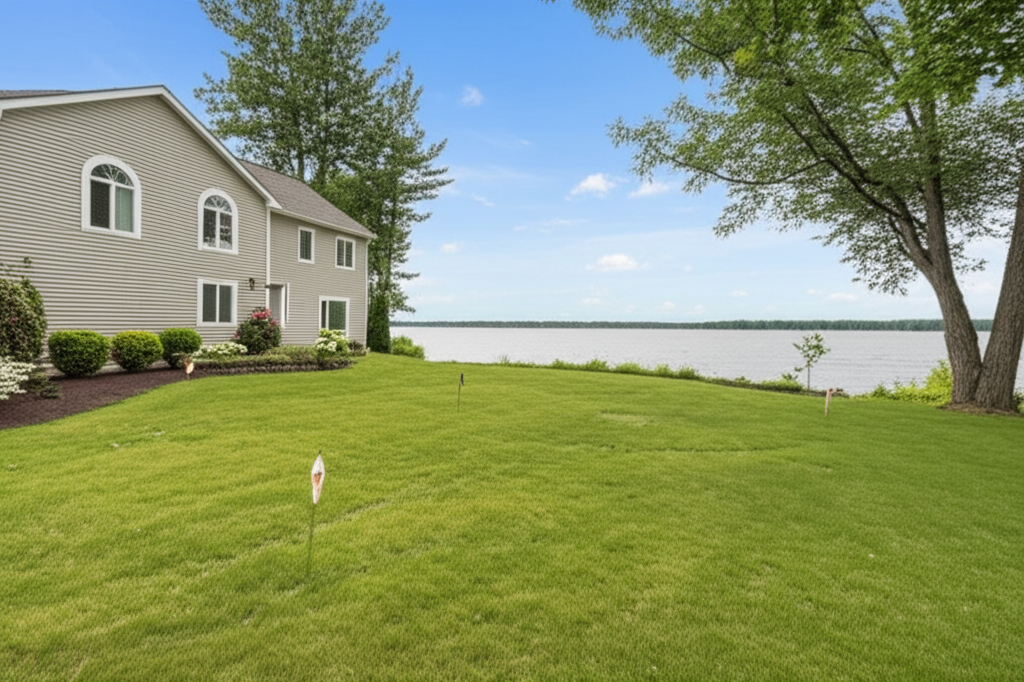
Michigan's proximity to the Great Lakes and its thousands of inland lakes means that septic systems near water receive extra scrutiny. Many lakefront communities have implemented enhanced septic regulations including mandatory inspections, advanced treatment requirements, and restricted system types.
If you own property near a lake or river in Michigan, expect your county to have specific requirements beyond the standard regulations. These may include more frequent inspections, limitations on system types, and enhanced setback requirements.
Costs in Michigan
Septic service costs in Michigan vary by region. Average pumping costs range from $250 to $500. Northern Michigan and the Upper Peninsula tend to have higher costs due to fewer providers, greater distances, and more challenging conditions. The Detroit and Grand Rapids metro areas have competitive pricing due to the number of providers.
Finding a Licensed Provider
When choosing a septic service provider in Michigan, verify their licensing with your local health department, check for proper insurance, and look for experience with your area's specific conditions. Our Michigan directory covers providers in Detroit, Grand Rapids, Lansing, Ann Arbor, and communities across the state.
---
Find a Septic Professional Near You
Looking for a trusted septic service provider? Browse our directory of 1111 companies across 80 cities, with real customer reviews and pricing data. Use our Cost Calculator to see average prices in your area.