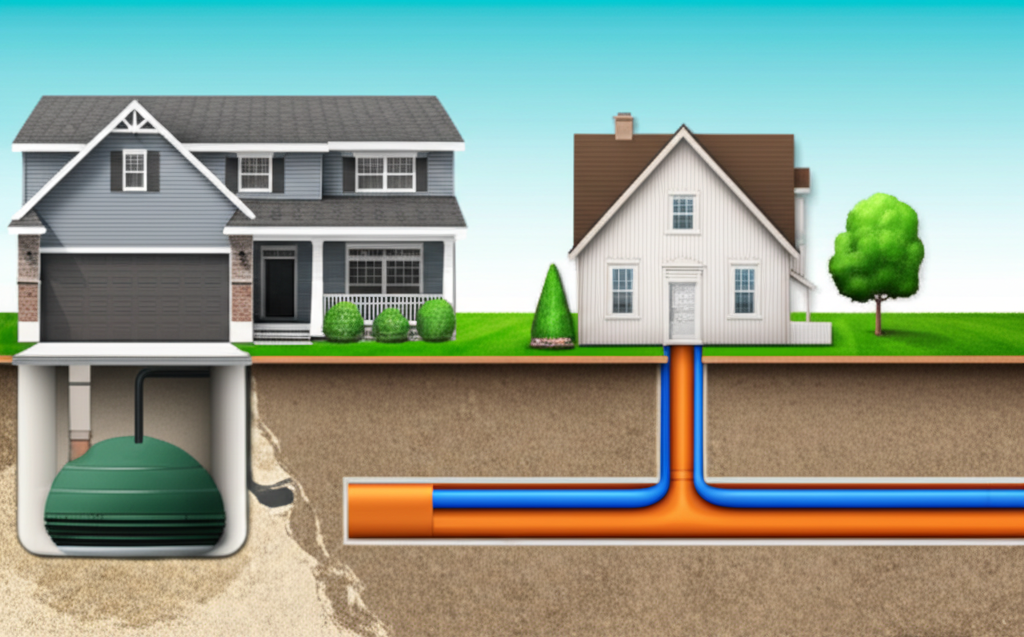
Septic vs. Sewer: Understanding the Difference
Septic vs. Sewer: A Complete Comparison
When it comes to managing household wastewater, there are two primary options: a private septic system or a connection to a municipal sewer system. Understanding the differences between these two approaches is important whether you are buying a home, building new construction, or simply want to be a more informed homeowner. This guide breaks down everything you need to know about septic systems and sewer connections.
How Municipal Sewer Systems Work
A municipal sewer system is a network of underground pipes that collect wastewater from homes and businesses and transport it to a centralized treatment facility. Here is the basic process:
- 1. Collection: Wastewater flows from your home through a lateral pipe to the main sewer line
- 2. Transportation: Gravity and pump stations move wastewater through the sewer network
- 3. Treatment: The centralized plant processes wastewater through multiple treatment stages
- 4. Discharge: Treated water is released into a river, lake, or ocean under strict environmental regulations
If your home is connected to a sewer system, you typically pay a monthly sewer bill based on your water usage. The municipality is responsible for maintaining the treatment plant and main sewer lines, while homeowners are responsible for the lateral pipe from their home to the main line.
How Septic Systems Work
A septic system is an on-site wastewater treatment facility that serves individual properties. The system consists of two main components:
The Septic Tank
A watertight container, usually made of concrete, fiberglass, or polyethylene, buried near the home. Wastewater enters the tank where:
- Heavy solids settle to the bottom forming sludge
- Lighter materials like grease float to the top forming scum
- Natural bacteria begin breaking down organic matter
- Clarified liquid (effluent) flows to the drain field
The Drain Field
Also called a leach field, this is a series of perforated pipes laid in gravel-filled trenches. The effluent:
- Trickles through the pipes into the gravel bed
- Percolates through the soil
- Is naturally filtered and treated by soil organisms
- Eventually rejoins the groundwater supply
Key Differences
Cost Structure
Sewer:
- Monthly sewer bill (typically $30-$100+ per month)
- Connection fees for new construction ($2,000-$10,000+)
- No individual maintenance costs for treatment
Septic:
- No monthly bills
- Tank pumping every 3-5 years ($300-$600)
- Inspections and occasional repairs
- Installation cost ($10,000-$25,000 for new systems)
- Potential replacement costs after 25-40 years
Maintenance Responsibility
Sewer: The municipality handles treatment and main line maintenance. Homeowners are only responsible for their lateral connection.
Septic: The homeowner is entirely responsible for their system, including pumping, inspections, and repairs. This requires more awareness and proactive maintenance.
Environmental Impact
Sewer: Centralized treatment plants are highly efficient and strictly regulated. However, sewer overflows can occur during heavy rain events, releasing untreated sewage into waterways.
Septic: Well-maintained systems effectively treat wastewater on-site with minimal environmental impact. However, failing systems can contaminate groundwater and nearby water bodies. Septic systems also return treated water to the local water table rather than diverting it.
Property Considerations
Sewer: Available primarily in urban and suburban areas. Connection requires proximity to existing sewer infrastructure. Easier for smaller lots.
Septic: Common in rural areas where sewer lines do not reach. Requires adequate lot size and suitable soil conditions. Soil percolation tests are required before installation.
Reliability
Sewer: Generally very reliable with minimal homeowner involvement. Issues are rare but can include sewer main breaks, backups during flooding, or aging infrastructure problems.
Septic: Highly reliable when properly maintained. Systems can last 25-40 years or more. However, neglect can lead to expensive failures.
Advantages of Each System
Sewer Advantages
- Minimal homeowner maintenance required
- Consistent monthly costs
- No need for soil testing or drain field space
- Professional management of treatment
- No risk of on-site system failure
Septic Advantages
- No monthly sewer bills
- Independence from municipal infrastructure
- On-site water recycling benefits local groundwater
- No exposure to municipal sewer overflows
- Potential cost savings over the long term
- More environmentally friendly when properly maintained
Choosing Between Septic and Sewer
In many cases, the choice is made for you based on location. Urban and suburban properties typically have sewer access, while rural properties rely on septic systems. However, if you have a choice, consider:
- Long-term costs: Calculate total costs over 20-30 years for both options
- Property size: Septic systems need adequate space for the drain field
- Soil conditions: Poor soil may make septic systems impractical
- Water usage: High-usage households may find sewer more practical
- Environmental values: Consider which option better aligns with your priorities
- Maintenance comfort: Are you willing to actively manage a septic system?
Buying a Home with a Septic System
If you are considering purchasing a home with a septic system, take these steps:
- 1. Request maintenance records showing pumping dates and any repairs
- 2. Get a professional inspection before closing
- 3. Ask about the system age and type
- 4. Check the drain field condition — look for wet spots or odors
- 5. Understand local regulations regarding septic systems
- 6. Factor maintenance costs into your home budget
Converting from Septic to Sewer
In some areas, municipalities extend sewer lines to neighborhoods that previously relied on septic systems. Conversion involves:
- Connecting your home to the sewer main
- Properly decommissioning (pumping and filling) the old septic tank
- Paying connection and tap fees
- Accepting ongoing monthly sewer charges
This can cost $5,000 to $15,000 or more depending on the distance to the sewer main and local requirements.
Conclusion
Both septic systems and municipal sewers are effective methods for managing household wastewater. Each has its own advantages, costs, and maintenance requirements. Understanding these differences helps you make informed decisions about your property and ensures you properly care for whichever system you have.
Whether you need help maintaining your septic system or want a professional inspection, use our directory to find trusted septic professionals near you.
---
Find a Septic Professional Near You
Looking for a trusted septic service provider? Browse our directory of 1111 companies across 80 cities, with real customer reviews and pricing data. Use our Cost Calculator to see average prices in your area.