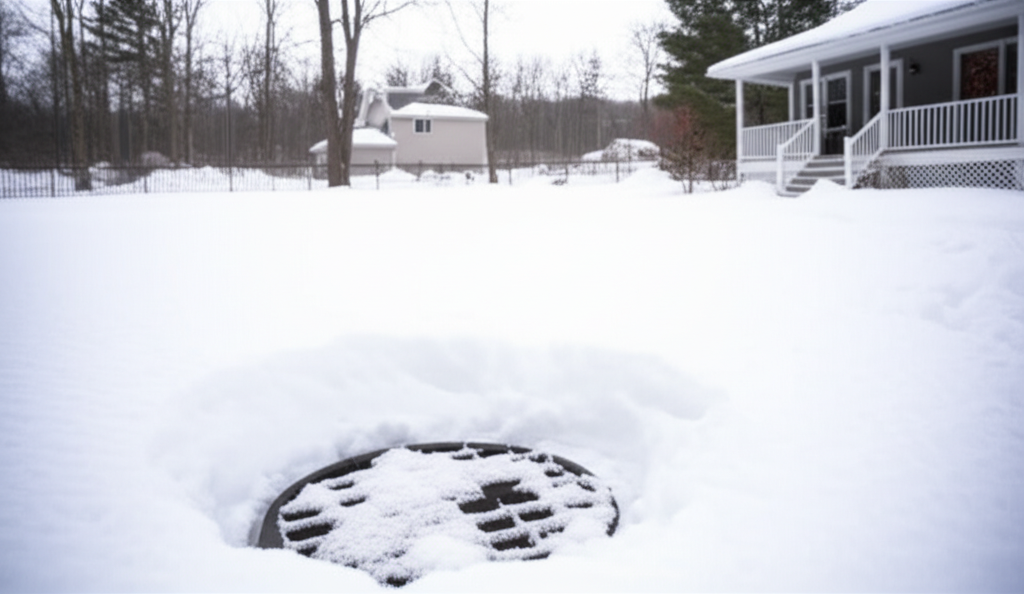
Winter Septic System Care Tips
Protecting Your Septic System in Winter
Winter poses unique challenges for septic systems. Freezing temperatures, snow cover, and changed usage patterns can all affect how your system operates. Whether you live in a region with mild winters or endure months of sub-zero temperatures, taking proactive steps to protect your septic system during cold weather can prevent costly damage and ensure trouble-free operation all season long.
📊 Real Data from Find A Septic
- Based on 5,345 customer reviews across 80 cities
- Prices reported by customers: $15 – $27,500 (avg $1,402)
- 600 companies offer emergency/same-day service
How Cold Weather Affects Your Septic System
Understanding how winter conditions impact your septic system helps you take appropriate preventive measures:
Freezing Pipes and Components
The most obvious winter threat is freezing. Several parts of your septic system are vulnerable:
- Inlet and outlet pipes between the house and tank
- The septic tank itself (especially near the top)
- Distribution pipes in the drain field
- Pump chambers and associated plumbing
When wastewater freezes in pipes, it can cause blockages and, in severe cases, pipe ruptures. The expansion of ice can crack concrete tanks and damage plastic components.
Reduced Bacterial Activity
The beneficial bacteria that break down waste in your septic tank are less active in cold temperatures. This means:
- Solids decompose more slowly
- The tank may fill faster during winter months
- Effluent quality may temporarily decrease
- System efficiency naturally drops somewhat
Soil Conditions
Frozen soil affects your drain field performance:
- Frozen ground cannot absorb effluent as effectively
- Ice layers can redirect water flow
- Spring thaw can temporarily saturate the field
- Compacted snow or ice over the drain field affects insulation
Essential Winter Preparation Tips
1. Get Your Tank Pumped Before Winter
If your tank is due for pumping, have it done before the ground freezes. A full tank is more prone to problems during winter:
- Less capacity means higher risk of backup
- More solids increase the chance of drain field contamination
- It is more difficult and expensive to pump a frozen or snow-covered tank
Schedule your pumping for late summer or early fall to ensure your system enters winter in optimal condition.
2. Insulate Vulnerable Components
Proper insulation can prevent freezing in critical areas:
- Spread mulch, straw, or leaves over the septic tank, pipes, and drain field (8-12 inches deep)
- Install pipe insulation on exposed sections of inlet and outlet pipes
- Use heat tape on pipes that are particularly vulnerable to freezing
- Do not compact snow over the system — fluffy snow actually provides good insulation
- Allow grass to grow longer over the drain field in fall to provide natural insulation
3. Fix Any Leaks Before Winter
Leaking faucets and running toilets are more than just water waste in winter — they can cause freezing problems:
- Small, continuous flows of water can freeze in pipes
- A dripping faucet can create an ice blockage over time
- Leaks overload the system while bacterial activity is reduced
- Wasted water increases the risk of drain field saturation
4. Maintain Regular Water Usage
Consistent water usage helps prevent freezing by keeping warm water flowing through the system:
- Do not drastically reduce water usage during winter
- If you will be away for an extended period, have someone run water periodically
- Space out laundry and dishwasher loads throughout the week
- Regular use keeps bacteria active and pipes warm
5. Know Where Your System Components Are
Before snow covers your yard, mark the locations of:
- The septic tank access lid
- The distribution box
- The drain field boundaries
- Clean-out pipes and inspection ports
This will save time if emergency access is needed during winter. Use tall stakes or flags that will remain visible above snow cover.
What to Do If Your System Freezes
Despite your best efforts, parts of your septic system may freeze during an exceptionally cold winter. Here is what to do:
Frozen Pipes
- Do not pour hot water or chemicals directly into frozen pipes, as this can cause thermal shock and cracking
- Call a professional who can use specialized equipment to safely thaw pipes
- Never use an open flame to thaw pipes — this is a fire hazard and can damage plastic pipes
- A professional may use a steam machine or hot water jetting to safely clear ice blockages
Frozen Tank
- A frozen tank is a serious situation that requires professional attention
- The tank may need to be pumped and the ice removed
- Insulation should be added to prevent recurrence
- In extreme cases, a tank heater may be recommended
Frozen Drain Field
- This is the most challenging winter problem to address
- Reduce water usage as much as possible
- Do not drive or walk over the frozen drain field
- Professional assessment is needed to determine the extent of the problem
- Some temporary solutions may include resting the field or using alternative disposal
Special Considerations for Vacation Homes
If you have a seasonal or vacation home with a septic system that sits unused during winter, take these extra precautions:
- Have the tank pumped before closing the home for winter
- Winterize the plumbing properly, including the septic connections
- Add extra insulation over the tank and drain field
- Consider using RV antifreeze in drain traps (NOT automotive antifreeze, which is toxic)
- Have someone check the property periodically during winter
- Gradually resume use in spring rather than immediately running large volumes of water
Spring Recovery
When spring arrives, give your septic system some attention:
- 1. Inspect for damage caused by freezing, settling, or frost heaving
- 2. Check for soggy areas that might indicate drain field problems
- 3. Remove temporary insulation materials like straw or mulch
- 4. Schedule an inspection if you experienced any problems during winter
- 5. Resume normal maintenance schedule including planning for fall pumping
When to Call a Professional
Contact a septic professional immediately if you notice:
- Sewage backing up into your home during winter
- Frozen pipes or inability to flush
- Sewage odors despite cold temperatures
- Standing water or ice formations over the drain field
- Gurgling sounds from drains
- Alarms going off on pump systems
Winter septic emergencies require prompt professional attention. Attempting DIY repairs in freezing conditions can make the situation worse and pose safety risks.
Conclusion
Winter septic system care is about preparation and prevention. By taking steps before cold weather arrives and maintaining good practices throughout the season, you can protect your septic system from freeze damage and ensure it continues to function properly. If you need help with winter maintenance or have an emergency, find a qualified septic professional in your area through our directory.
---
Find a Septic Professional Near You
Looking for a trusted septic service provider? Browse our directory of 1111 companies across 80 cities, with real customer reviews and pricing data. Use our Cost Calculator to see average prices in your area.