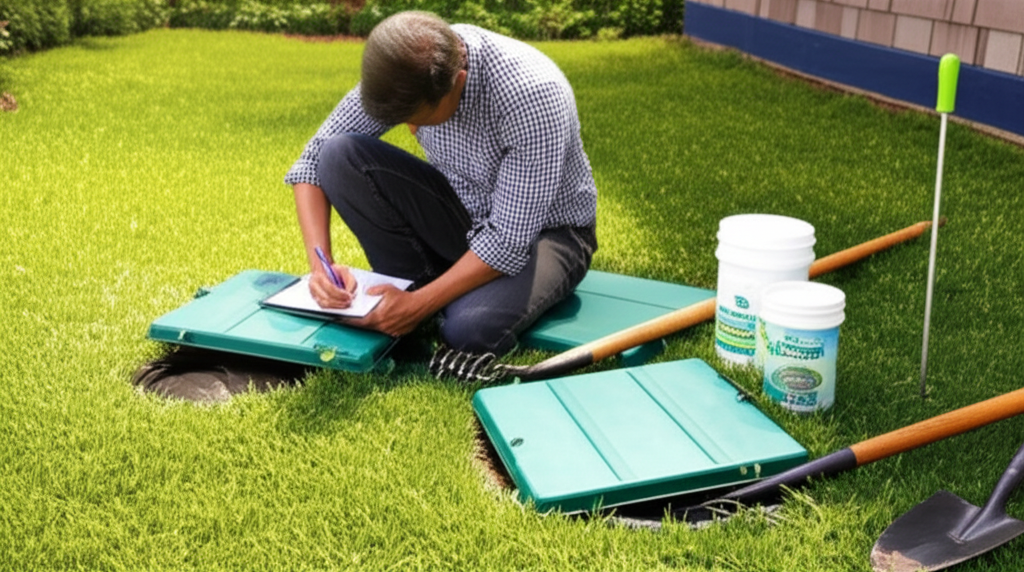
DIY Septic Maintenance: What You Can (and Can't) Do
Taking Care of Your Septic System
Maintaining your septic system doesn't always require calling a professional. Many routine maintenance tasks can be handled by homeowners, saving money and helping you stay connected with how your system is performing. However, it's equally important to know which tasks are dangerous or require professional expertise.
This guide separates the DIY-friendly maintenance tasks from the ones you should always leave to the pros. By combining smart homeowner practices with professional service when needed, you can maximize your system's lifespan and minimize costly repairs.
📊 Real Data from Find A Septic
- Based on 5,345 customer reviews across 80 cities
- Prices reported by customers: $15 – $27,500 (avg $1,402)
- 600 companies offer emergency/same-day service
What You CAN Do Yourself
Monitor Water Usage
One of the most impactful things you can do is manage your household water consumption:
- Fix leaks promptly: A running toilet can add 200+ gallons per day to your septic system. Check all faucets, toilets, and connections regularly.
- Spread laundry loads: Instead of doing all laundry on Saturday, spread loads throughout the week to prevent hydraulic overloading.
- Install high-efficiency fixtures: Low-flow toilets, showerheads, and faucet aerators reduce the volume of water entering your system.
- Time showers and dishwasher use: Avoid running multiple water-intensive activities simultaneously.
Protect Your Drain Field
Drain field protection is entirely in the homeowner's control:
- Don't drive or park on it: Vehicle weight compacts soil and can crush pipes
- Redirect surface water: Ensure gutters, sump pumps, and landscaping direct water away from the drain field
- Maintain proper vegetation: Keep only grass or shallow-rooted plants over the drain field
- Remove problematic trees: If trees are growing too close, consider removal before roots reach your system
- Mark the area: Know exactly where your drain field is located so you can protect it
Watch What Goes Down the Drain
You control what enters your septic system every day:
In the kitchen:
- Never pour grease, oil, or fat down the drain (collect in a container and dispose in trash)
- Use sink strainers to catch food scraps
- Minimize use of garbage disposals (they add solids to your tank)
- Avoid harsh chemical drain cleaners
In the bathroom:
- Only flush human waste and toilet paper
- No wipes of any kind (even "flushable" ones don't break down)
- No feminine hygiene products, cotton balls, or dental floss
- Use septic-safe toilet paper that breaks down quickly
Laundry room:
- Use liquid detergent (powders can contain fillers that don't dissolve)
- Choose septic-safe, biodegradable products
- Clean the lint filter to prevent lint from entering the system
- Avoid excessive bleach use
Inspect Visible Components
Regular visual inspections help catch problems early:
- Check for odors: Walk your property monthly, noting any sewage smells near the tank or drain field
- Look for wet spots: Soggy areas or standing water over the system indicate problems
- Monitor grass growth: Unusually lush or green grass over the drain field can signal surfacing effluent
- Check tank risers: If your tank has risers (access lids at ground level), ensure they're secure and not damaged
- Note drainage speed: Slow drains throughout the house may indicate system issues
Keep Maintenance Records
Maintain a file with all septic system documentation:
- System location map (tank, pipes, drain field)
- Installation date and system specifications
- Pumping dates and reports
- Inspection results
- Any repairs performed
- Warranty information
These records are invaluable for troubleshooting, selling your home, and helping professionals understand your system's history.
Use Bacteria Additives (With Caution)
Some homeowners add bacterial products to their septic tanks to boost the biological treatment process. While a healthy system shouldn't need additives, they can be helpful in certain situations:
- After heavy antibiotic use that may have killed tank bacteria
- After using large amounts of cleaning chemicals
- When the system is under heavy use (parties, guests)
Choose products that contain natural bacteria and enzymes only. Avoid chemical additives that claim to eliminate the need for pumping—they don't work and can actually harm your system.
What You Should NOT Do Yourself
Never Open the Septic Tank
This is the most important safety rule. Septic tanks produce toxic gases including hydrogen sulfide and methane that can cause unconsciousness within seconds and death within minutes. Every year, people die from entering or leaning over open septic tanks.
- Don't remove tank lids to check levels
- Don't attempt to measure sludge depth
- Don't try to retrieve fallen objects
- Don't inspect baffles yourself
- Always hire a licensed professional for any task requiring tank access
Don't Attempt Pumping
Septic tank pumping requires specialized equipment and training:
- Professional vacuum trucks safely remove and transport waste
- Improper pumping can damage tank components
- Waste must be disposed of at approved facilities
- Many states require licensed operators for pumping
Find professional pumping services in your area. Search for providers in Florida, Texas, or New York to schedule regular pumping.
Don't Repair or Replace Components
Leave these tasks to licensed professionals:
- Pipe repairs: Underground pipe work requires proper tools and knowledge
- Baffle replacement: Working inside or near the tank is dangerous
- Pump replacement: Electrical work in wet environments requires expertise
- Drain field work: Improper repairs can cause environmental contamination
- Tank repairs: Structural work on tanks requires professional assessment
Don't Attempt Drain Field Restoration
Methods like drain field rejuvenation, fracturing, or jetting require professional equipment and expertise. Improper attempts can worsen the problem or create environmental hazards.
Creating a DIY Maintenance Schedule
Stay organized with this simple schedule:
Monthly: Walk the property checking for odors, wet spots, and unusual vegetation. Verify all fixtures drain properly.
Quarterly: Check water-using appliances for leaks. Clean sink strainers and lint filters. Review water usage habits.
Annually: Schedule a professional inspection. Review and update maintenance records. Check that drain field area is properly protected. Browse local septic inspectors for annual service.
Every 3-5 years: Schedule professional pumping based on your household size and tank capacity.
The Bottom Line
Smart DIY maintenance combined with professional service creates the most cost-effective approach to septic system care. Handle what you can safely manage, but never hesitate to call a professional when the task requires expertise or involves safety risks. Find qualified septic professionals near you for the tasks that need expert attention.