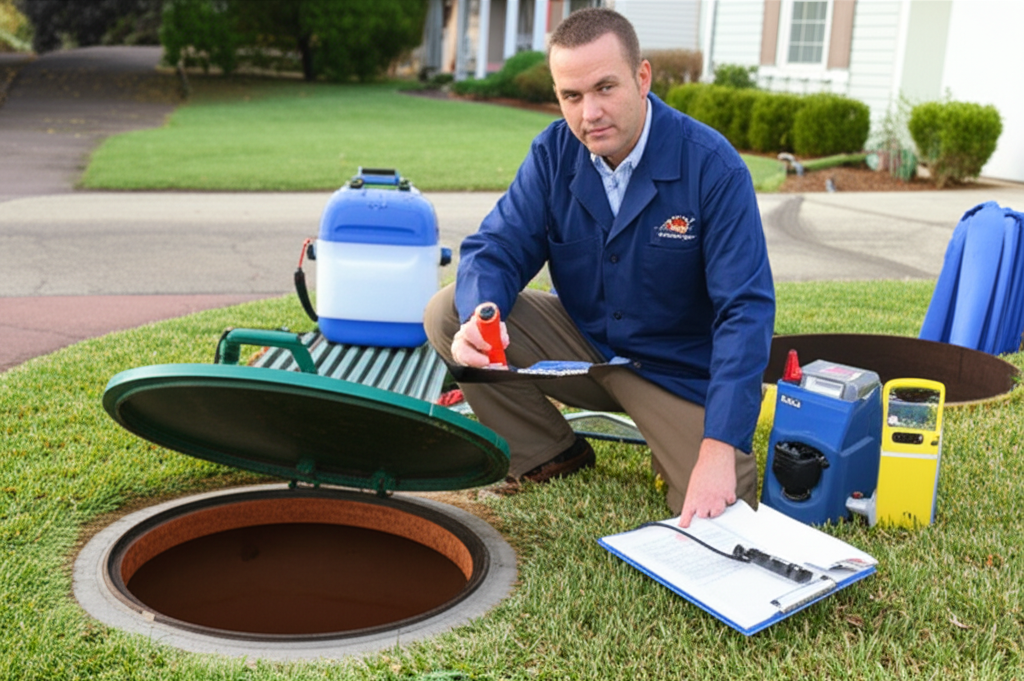
How to Prepare for a Septic Inspection
Getting Ready for a Septic System Inspection
Whether you're selling your home, buying a new one, or just keeping up with regular maintenance, a septic inspection is a critical step in understanding the health of your wastewater system. Proper preparation can make the process smoother, faster, and less stressful. Here's everything you need to know to get ready.
When Do You Need a Septic Inspection?
Septic inspections are recommended or required in several situations:
- Home sales: Most lenders and many states require a septic inspection before closing
- Regular maintenance: The EPA recommends inspections every 1-3 years
- System problems: When you notice warning signs like slow drains or odors
- After major storms: Flooding can damage septic systems
- Permit requirements: Some municipalities require periodic inspections
Find septic services in Texas or your local area to schedule an inspection with a licensed professional.
Types of Septic Inspections
Visual Inspection ($100 – $200)
A basic visual inspection includes checking the home's plumbing, looking for signs of system stress, and reviewing maintenance records. This is the minimum level inspection and may not satisfy all requirements.
Full Inspection ($300 – $600)
A comprehensive inspection includes everything in a visual inspection plus:
- Opening and inspecting the tank (may require pumping)
- Measuring sludge and scum levels
- Checking baffles and structural integrity
- Inspecting the drain field for signs of failure
- Testing system flow by running water
- Checking the distribution box if accessible
Dye Test ($50 – $200 additional)
Some inspectors use a dye test where colored dye is flushed into the system and the drain field area is monitored for dye surfacing, which would indicate failure.
Preparation Checklist
1. Gather Your Records
Collect all documentation related to your septic system:
- As-built drawings showing system layout and dimensions
- Pumping records with dates and company names
- Repair history and any modifications made
- Permit information from the original installation
- Previous inspection reports
Having these documents ready saves time and gives the inspector valuable context about your system's history.
2. Locate Your Tank and Components
Know where your septic tank, drain field, and distribution box are located. If you're unsure, use property records or hire a professional to locate them before the inspection. Browse Ohio septic companies for locating services.
3. Ensure Access to the Tank
The inspector needs to open and examine the tank. Make sure:
- The tank lid is accessible — clear any objects, vehicles, or plants covering it
- The lid can be opened — some lids may be sealed or rusted shut
- Risers are clear if installed
- The area is safe to walk and work in
If the tank lid is buried, you may need to dig it up before the inspection or arrange for the inspector to do it (usually for an additional fee).
4. Avoid Heavy Water Use
For 24-48 hours before the inspection, try to minimize water usage:
- Don't do multiple loads of laundry in a short period
- Take shorter showers
- Run the dishwasher only when full
- Fix any leaking faucets or running toilets
This ensures the system is at a normal operating level and gives the inspector an accurate picture of its condition.
5. Clear the Area
Make sure the inspector can easily access:
- The septic tank — clear vegetation, debris, and obstacles
- The drain field — mow the grass and remove any objects
- Cleanout pipes — ensure they're visible and accessible
- The home's plumbing — clear space under sinks if needed
6. Don't Pump Right Before
While it might seem logical to pump your tank before an inspection, don't. The inspector needs to see the current state of the system, including sludge and scum levels, to assess its condition. Pumping before an inspection removes the evidence they need to evaluate.
What the Inspector Will Check
Inside the Home
- Running water and flushing toilets to test flow
- Checking for slow drains or gurgling sounds
- Looking for signs of sewage backup
- Inspecting visible plumbing connections
At the Septic Tank
- Opening the lid and inspecting the interior
- Measuring sludge depth and scum thickness
- Checking inlet and outlet baffles
- Looking for cracks, corrosion, or structural damage
- Checking the effluent filter (if present)
- Verifying the tank is the correct size for the home
At the Drain Field
- Walking the field to check for wet spots or odors
- Looking for signs of surfacing effluent
- Checking the distribution box for proper flow
- Evaluating the overall condition of the absorption area
Find septic services in Florida or North Carolina for certified inspectors in your area.
Common Issues Found During Inspections
- High sludge levels — tank needs pumping
- Damaged baffles — relatively easy to repair
- Tank cracks — may require repair or replacement
- Drain field saturation — a serious and expensive issue
- Improper system size — may need upgrade
- Root intrusion — roots growing into pipes or tank
After the Inspection
The inspector will provide a written report detailing their findings, any issues discovered, and recommended actions. Keep this report with your home records and follow up on any recommended repairs promptly.
If issues are found during a real estate inspection, they may need to be resolved before closing. Browse Virginia septic companies or find septic services in Georgia for repair services.
The Bottom Line
A septic inspection doesn't have to be stressful. By gathering your records, ensuring access, and understanding what to expect, you can make the process quick and painless. Regular inspections catch problems early, saving you from expensive emergency repairs down the road.
---
Find a Septic Professional Near You
Looking for a trusted septic service provider? Browse our directory of 1111 companies across 80 cities, with real customer reviews and pricing data. Use our Cost Calculator to see average prices in your area.