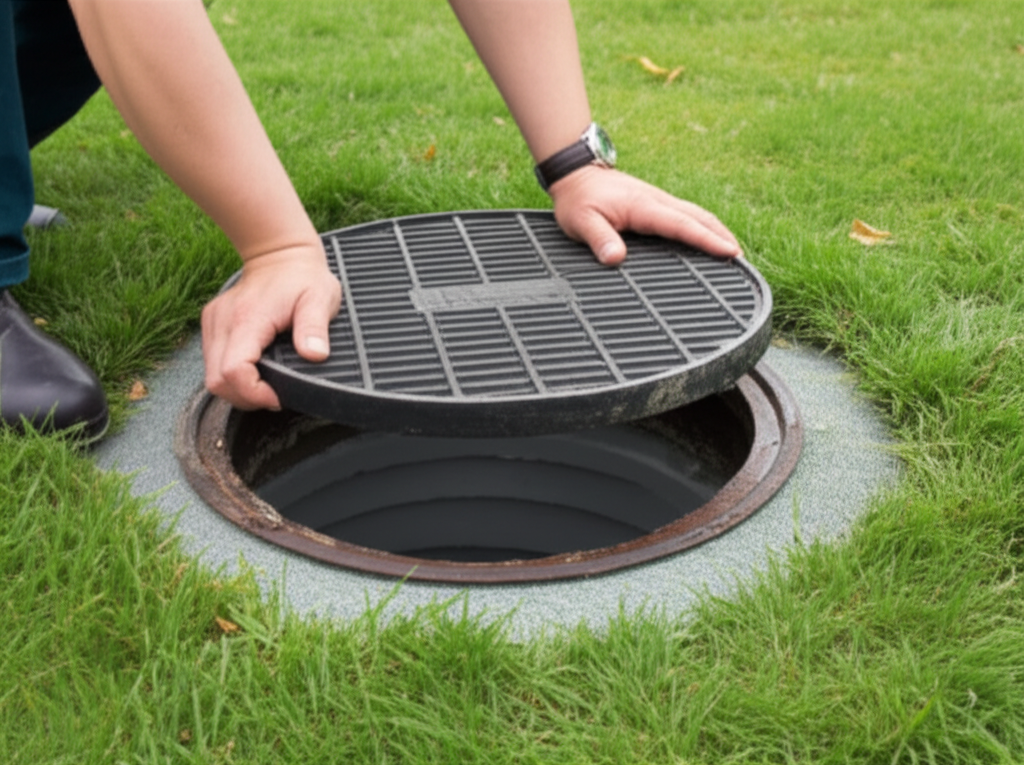
Septic Tank Full Signs: When to Call a Professional
How to Tell If Your Septic Tank Is Full
Your septic tank works quietly underground, processing household wastewater day after day. But when it gets too full, it sends distress signals that every homeowner should recognize. Catching these warning signs early can save you from costly repairs, health hazards, and major property damage. Here's what to watch for and when to call in the pros.
Understanding "Full" — Three Types
Before diving into the signs, it's important to understand that a septic tank can be "full" in three different ways:
Normal Full
After a tank is pumped, it gradually fills back up with liquid to its normal operating level. This is completely normal — your tank is designed to be full of liquid. The effluent level should reach the outlet pipe, where it flows to the drain field.
Sludge Full
Over time, the solid sludge layer at the bottom and scum layer at the top accumulate. When these layers take up too much of the tank's volume, there isn't enough space for proper separation and treatment. This is when pumping is needed.
Overfull
This is the problem state. When the tank can't drain properly — due to a clogged outlet, failed drain field, or other issue — liquid levels rise above the outlet pipe. This causes backups and surfacing sewage.
Warning Signs Your Septic Tank Needs Attention
1. Slow Drains Throughout the House
If one drain is slow, it's probably a localized clog. But when multiple drains throughout your home are sluggish — sinks, showers, and toilets — it's a strong indicator that your septic tank is full or the system is struggling.
2. Gurgling Sounds in Plumbing
When you hear bubbling or gurgling sounds from your drains, especially after flushing a toilet or running water, your plumbing system is telling you it can't vent properly. This often happens when the septic tank is too full to accept more wastewater.
3. Sewage Odors Inside or Outside
Unpleasant sewage smells near your drains, in the basement, or in the yard around your septic tank and drain field are a clear warning sign. Don't dismiss these odors — they indicate gas buildup from an overfull system. Find septic services in Texas for prompt evaluation.
4. Standing Water in the Yard
Puddles or wet spots appearing over your septic tank or drain field — especially when it hasn't rained — indicate that effluent is surfacing. This is a serious sign that requires immediate professional attention.
5. Unusually Lush Grass Over the Drain Field
While a slight color difference is normal, dramatically greener or faster-growing grass over the drain field suggests that untreated sewage is fertilizing the soil. This means effluent isn't being properly absorbed and treated.
6. Sewage Backup in the House
This is the most obvious and urgent sign. If sewage is coming back up through your drains, your system is overfull or blocked. Stop all water use immediately and call for emergency service. Browse Houston septic companies for 24/7 emergency response.
7. High Nitrate Levels in Well Water
If you have a private well, regular water testing may reveal elevated nitrate or coliform bacteria levels. This can indicate that your septic system is failing and contaminating groundwater — a serious health concern.
How Long Can You Wait?
The answer depends on the severity of the signs:
- Slow drains and minor odors: Schedule pumping within 1-2 weeks
- Standing water or strong odors: Call within 2-3 days
- Sewage backup: This is an emergency — call immediately
Waiting too long can turn a simple pumping job into a major drain field repair costing thousands of dollars.
What a Professional Will Do
When you call a septic professional, they'll typically:
- 1. Pump the tank to provide immediate relief
- 2. Inspect the tank interior for damage to walls, baffles, and components
- 3. Check sludge and scum levels (if not yet pumped) to assess the situation
- 4. Inspect the drain field for signs of failure
- 5. Test the system's flow to ensure proper drainage
- 6. Provide recommendations for any repairs or maintenance needed
Find septic services in Florida or North Carolina to connect with qualified professionals in your area.
How Often Should You Pump?
The EPA recommends pumping every 3 to 5 years, but your schedule should be based on:
- Household size — more people means more frequent pumping
- Tank size — smaller tanks fill faster
- Water usage — high usage means more frequent service
- Garbage disposal use — disposals add significant solids
- System age — older systems may need more attention
Preventive Measures
Keep your septic system healthy with these habits:
- 1. Track your pumping schedule — set a reminder every 3 years
- 2. Conserve water — fix leaks and use efficient fixtures
- 3. Watch what you flush — only human waste and toilet paper
- 4. Limit garbage disposal use — compost food waste instead
- 5. Spread laundry loads throughout the week to avoid overwhelming the system
- 6. Schedule annual inspections to catch problems early
Find septic services in Pennsylvania or Virginia to set up a regular maintenance plan.
The Bottom Line
Your septic tank communicates through warning signs — slow drains, odors, wet spots, and backups. Learning to recognize these signs and acting quickly can save you thousands in repairs and protect your family's health. When in doubt, call a professional. Regular maintenance is always cheaper than emergency repairs.
---
Find a Septic Professional Near You
Looking for a trusted septic service provider? Browse our directory of 1111 companies across 80 cities, with real customer reviews and pricing data. Use our Cost Calculator to see average prices in your area.