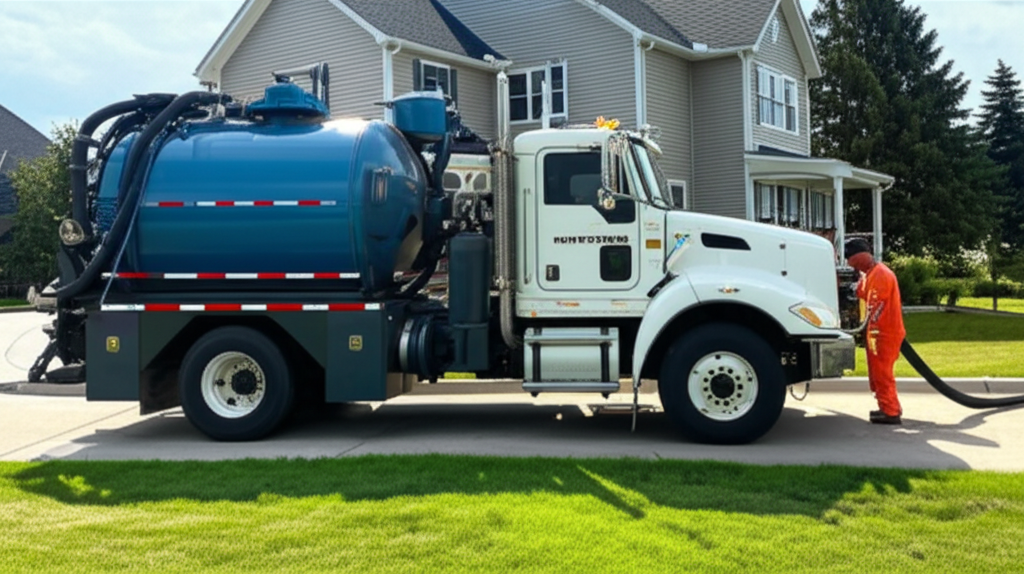
How Much Does Septic Tank Pumping Cost in 2026?
What Does Septic Tank Pumping Cost in 2026?
If you own a home with a septic system, one of the most important maintenance tasks you'll face is regular tank pumping. In 2026, the average cost of septic tank pumping ranges from $300 to $600 for a standard 1,000-gallon tank, though prices can vary significantly depending on your location, tank size, and other factors. Understanding these costs helps you budget effectively and avoid surprise expenses.
📊 Real Data from Find A Septic
- Based on 5,345 customer reviews across 80 cities
- Prices reported by customers: $15 – $27,500 (avg $1,402)
- 600 companies offer emergency/same-day service
Average Pumping Costs by Tank Size
The size of your septic tank is one of the biggest factors in determining the cost of pumping. Here's what you can expect to pay in 2026:
- 750-gallon tank: $250 – $400
- 1,000-gallon tank: $300 – $600
- 1,250-gallon tank: $400 – $700
- 1,500-gallon tank: $450 – $800
- 2,000-gallon tank: $600 – $1,000
These prices typically include the pumping service itself, basic inspection, and hauling the waste to an approved disposal facility. Some companies may charge additional fees for travel, especially in rural areas.
Factors That Influence Pumping Costs
Location and Regional Pricing
Where you live plays a major role in what you'll pay. Urban areas with more competition among service providers tend to have lower prices, while rural locations may see higher costs due to travel time. For example, pumping costs in Texas may differ significantly from those in northern states. Find septic services in Florida or California to compare local rates.
Tank Accessibility
If your septic tank lid is buried deep underground or difficult to access, expect to pay more. Many companies charge an additional $50 to $150 for digging to reach the access port. Installing risers to bring the lid to ground level is a smart investment that can save you money on every future pumping.
Tank Condition and Sludge Level
If it's been a long time since your last pumping, or if your tank has excessive sludge buildup, the job may take longer and cost more. Tanks that haven't been serviced in over five years often require extra time and effort, potentially adding $100 to $300 to the bill.
Emergency vs. Scheduled Service
Scheduling your pumping in advance is always cheaper than calling for emergency service. Emergency pumping — when your system is backing up or overflowing — can cost 50% to 100% more than a routine appointment. Browse Houston septic companies or your local providers to schedule ahead.
How to Save Money on Septic Pumping
Get Multiple Quotes
Always get at least three quotes from different providers. Prices can vary dramatically between companies, even in the same area. Check with local providers in your state — find septic services in Georgia or North Carolina for competitive pricing.
Schedule During Off-Peak Seasons
Many septic companies offer discounts during their slower months, typically late fall and winter. Scheduling your pumping during these times can save you 10% to 20%.
Maintain Your System Regularly
The best way to keep pumping costs down is to maintain your septic system properly. Avoid flushing non-biodegradable items, conserve water, and have your system inspected regularly. A well-maintained system typically needs pumping every 3 to 5 years, while a neglected one may need annual service.
Join a Maintenance Plan
Some septic service companies offer maintenance plans that include regular pumping at a discounted rate. These plans often include annual inspections and priority scheduling, which can save you money in the long run.
What's Included in a Typical Pumping Service?
A standard septic tank pumping service should include:
- 1. Locating the tank and uncovering the access lid
- 2. Pumping out all contents including sludge, scum, and liquid
- 3. Basic visual inspection of the tank interior
- 4. Checking inlet and outlet baffles for damage
- 5. Noting the condition of the tank walls and components
- 6. Proper disposal of waste at an approved facility
Some companies also include a more detailed inspection report or recommend additional services like filter cleaning or drain field assessment.
When to Pump Your Septic Tank
Don't wait until you notice problems to schedule pumping. By the time you see signs like slow drains, sewage odors, or standing water in your yard, your system may already be stressed. The EPA recommends pumping every 3 to 5 years for most households.
Find septic services in Pennsylvania or Ohio to schedule your next pumping appointment. Regular maintenance is always cheaper than emergency repairs.
The Bottom Line
Septic tank pumping is a necessary expense for any homeowner with a septic system. In 2026, expect to pay between $300 and $600 for a standard pumping, with costs varying based on tank size, location, accessibility, and condition. By scheduling regular maintenance and shopping around for competitive rates, you can keep your septic system healthy without breaking the bank.
---
Find a Septic Professional Near You
Looking for a trusted septic service provider? Browse our directory of 1111 companies across 80 cities, with real customer reviews and pricing data. Use our Cost Calculator to see average prices in your area.