Top 10 Septic System Mistakes Homeowners Make
The Top 10 Septic System Mistakes That Cost Homeowners Thousands
Owning a home with a septic system comes with responsibilities that many homeowners don't fully understand. Simple mistakes can lead to system failure, costly repairs, and environmental contamination. Here are the ten most common septic system mistakes and how to avoid them.
Mistake #1: Ignoring the Pumping Schedule
The mistake: Waiting until problems appear before pumping the tank, or simply forgetting about maintenance altogether.
Why it matters: Your septic tank accumulates sludge and scum over time. When these layers build up too much, solids can escape into the drain field, causing clogs and eventual system failure. Drain field replacement can cost $5,000 to $20,000.
The fix: Pump your tank every 3 to 5 years, depending on household size and usage. Set a calendar reminder and stick to it. Find septic services in Texas to schedule your next pumping.
Mistake #2: Flushing Things You Shouldn't
The mistake: Treating your toilet like a trash can by flushing wipes, feminine products, cotton swabs, dental floss, cat litter, or other non-biodegradable items.
Why it matters: These items don't break down in your septic tank. They accumulate, clog pipes, and can damage baffles. Even "flushable" wipes don't degrade quickly enough for septic systems.
The fix: Only flush human waste and toilet paper. Keep a wastebasket in the bathroom for everything else.
Mistake #3: Overloading the System with Water
The mistake: Using excessive amounts of water through long showers, running multiple loads of laundry back-to-back, or having leaky faucets and running toilets.
Why it matters: Your septic system can only process a certain volume of water per day. Overloading it pushes water through the tank too quickly, preventing proper separation of solids and sending untreated wastewater to the drain field.
The fix: Spread water usage throughout the day and week. Fix leaks promptly. Install high-efficiency fixtures. A single running toilet can waste 200 gallons per day — enough to overwhelm a septic system.
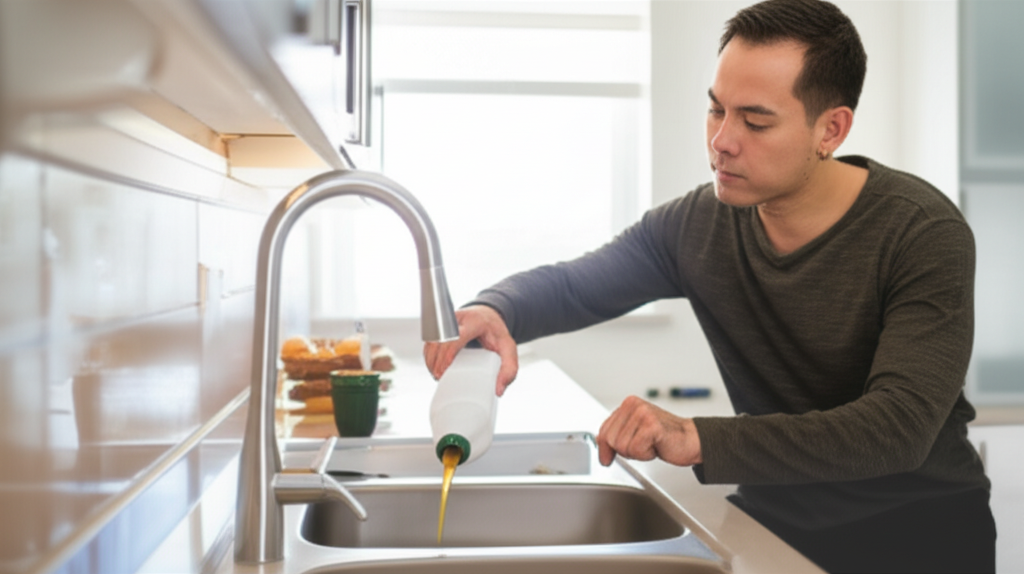
Mistake #4: Pouring Grease Down the Drain
The mistake: Dumping cooking grease, oils, and fats down the kitchen sink.
Why it matters: Grease doesn't break down in the septic tank. Instead, it forms a thick scum layer that can clog the outlet baffle and pipes. Over time, grease can make its way to the drain field and coat the soil, preventing absorption.
The fix: Collect cooking grease in a container and dispose of it in the trash. Wipe greasy pots and pans with paper towels before washing.
Mistake #5: Using Excessive Chemicals
The mistake: Pouring bleach, drain cleaners, antibacterial soaps, and harsh chemicals down the drain in large quantities.
Why it matters: Your septic tank relies on beneficial bacteria to break down waste. Harsh chemicals kill these bacteria, disrupting the treatment process and allowing solids to accumulate faster. Browse Florida septic companies for advice on septic-safe products.
The fix: Use septic-safe cleaning products. If you must use bleach, use it sparingly. Never pour paint, solvents, or pesticides down the drain.
Mistake #6: Driving or Parking Over the System
The mistake: Parking cars, driving heavy equipment, or placing structures over the septic tank or drain field.
Why it matters: The weight compacts the soil in the drain field, reducing its ability to absorb and treat wastewater. It can also crush pipes, damage the tank lid, or collapse the tank itself.
The fix: Keep all vehicles and heavy equipment off the septic system area. Don't build patios, decks, sheds, or driveways over any system components.
Mistake #7: Planting Trees Too Close
The mistake: Planting trees or large shrubs near the septic tank or drain field.
Why it matters: Tree roots are remarkably powerful and can grow into pipes, crack tank walls, and infiltrate the drain field. Some tree species have roots that extend two to three times the width of their canopy. Find septic services in Georgia for guidance on safe planting distances.
The fix: Keep trees at least 30 feet from your septic system. If you want greenery over the drain field, stick to shallow-rooted grasses or groundcovers.
Mistake #8: Using a Garbage Disposal Excessively
The mistake: Relying heavily on a garbage disposal to handle food waste.
Why it matters: Garbage disposals send large amounts of solid waste into your septic tank, dramatically increasing sludge accumulation. Homes with garbage disposals may need pumping twice as often as those without.
The fix: Compost food waste instead of sending it down the disposal. If you must use a disposal, do so sparingly and avoid fibrous foods, starches, and large quantities.
Mistake #9: Neglecting the Drain Field
The mistake: Ignoring the drain field entirely — not knowing where it is, covering it with impervious surfaces, or directing rainwater toward it.
Why it matters: The drain field is arguably the most critical (and expensive) component of your septic system. Without proper care, it can become saturated, clogged, or damaged beyond repair.
The fix: Know where your drain field is located. Keep it clear of structures and vehicles. Direct downspouts, sump pump discharge, and surface water away from the drain field area. Browse North Carolina septic companies for drain field maintenance advice.
Mistake #10: DIY Repairs on Complex Issues
The mistake: Attempting to repair or modify your septic system without professional help or proper permits.
Why it matters: Septic systems involve health and environmental regulations. Improper repairs can worsen the problem, contaminate groundwater, create health hazards, and violate local codes — potentially resulting in fines.
The fix: For anything beyond basic maintenance (like keeping the area clear and conserving water), hire a licensed septic professional. Find septic services in Pennsylvania or Ohio to connect with qualified experts.
Bonus Tip: Don't Use Septic Additives Without Research
Many products claim to eliminate the need for pumping or restore failing drain fields. Most of these claims are unsubstantiated, and some additives can actually harm your system by disrupting the natural bacterial balance. Consult a professional before adding any products to your septic system.
The Bottom Line
Most septic system failures are caused by homeowner mistakes that are easily preventable. By understanding how your system works and following these simple guidelines, you can extend the life of your septic system by decades and avoid thousands of dollars in repairs. When in doubt, call a professional — it's always cheaper than fixing a failed system.
---
Find a Septic Professional Near You
Looking for a trusted septic service provider? Browse our directory of 1111 companies across 80 cities, with real customer reviews and pricing data. Use our Cost Calculator to see average prices in your area.