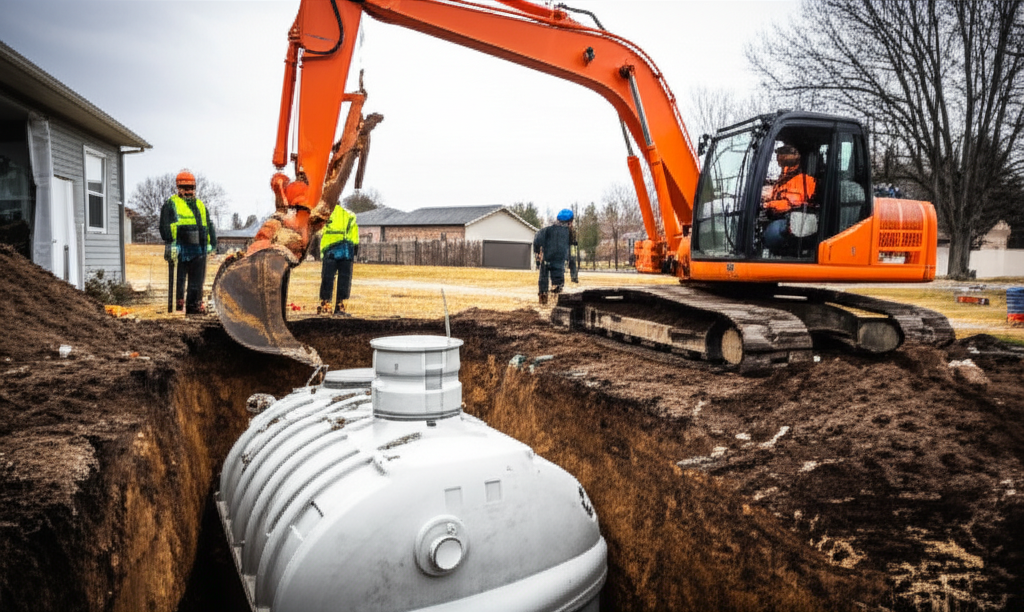
Septic System Installation Costs: Complete Breakdown
How Much Does It Cost to Install a Septic System?
Installing a new septic system is one of the most significant investments a homeowner can make. In 2026, the total cost of a conventional septic system installation ranges from $3,000 to $10,000, while advanced systems can cost $15,000 to $25,000 or more. This guide breaks down every cost involved so you can plan and budget effectively.
📊 Real Data from Find A Septic
- Based on 5,345 customer reviews across 80 cities
- Prices reported by customers: $15 – $27,500 (avg $1,402)
- 600 companies offer emergency/same-day service
Types of Septic Systems and Their Costs
Conventional Gravity System
The most common and affordable option, a conventional gravity system uses natural gravity to move wastewater from the tank to the drain field. Cost: $3,000 – $8,000
Chamber System
Instead of gravel, chamber systems use plastic chambers in the drain field. They're easier to install and work well in areas with high groundwater. Cost: $4,000 – $10,000
Aerobic Treatment Unit (ATU)
ATUs use oxygen to break down waste more efficiently than conventional systems. They produce cleaner effluent and are often required in environmentally sensitive areas. Cost: $10,000 – $20,000
Mound System
When the water table is too high or soil conditions are poor, a mound system builds an elevated drain field using sand and gravel. Cost: $10,000 – $25,000
Drip Distribution System
These systems use a network of drip tubing to distribute effluent evenly across the drain field. They're precise but expensive. Cost: $8,000 – $18,000
Cost Breakdown by Component
Septic Tank ($1,000 – $4,000)
The tank itself is a major component. Concrete tanks are the most popular, but plastic and fiberglass options are also available. Find septic services in Texas to get quotes on tank installation in your area.
Drain Field ($2,000 – $10,000)
The drain field (also called a leach field) is where treated wastewater is dispersed into the soil. The cost depends on soil conditions, size requirements, and the type of system installed.
Permits and Inspections ($300 – $1,500)
Most municipalities require permits for septic installation. This includes a site evaluation, soil testing (percolation test), and final inspection. Browse Ohio septic companies or your local directory to find providers familiar with local regulations.
Excavation and Labor ($1,500 – $5,000)
Labor costs vary by region and the complexity of the installation. Rocky soil, steep terrain, or difficult access can significantly increase excavation costs.
Pump and Electrical ($500 – $2,000)
Systems that require a pump (like mound systems or pressure distribution systems) will have additional costs for the pump, alarm, and electrical connections.
Factors That Affect Installation Costs
Soil Conditions
Soil type and percolation rate are critical factors. Sandy soil with good drainage is ideal and less expensive to work with. Clay soil or rocky ground may require alternative system types that cost more.
Property Size and Layout
The distance between the house, tank, and drain field affects piping and excavation costs. Larger properties may require longer pipe runs, increasing material and labor expenses.
Local Regulations
Building codes and health department regulations vary significantly by location. Some areas require advanced treatment systems regardless of soil conditions. Find septic services in Florida or North Carolina to understand local requirements.
Water Table Level
A high water table limits your options and may require a more expensive system type, such as a mound system or ATU.
Permits and Regulations
Before installing a septic system, you'll need:
- 1. Site evaluation by a licensed professional
- 2. Percolation test to determine soil drainage
- 3. Building permit from your local health department
- 4. System design by a licensed engineer (in some states)
- 5. Final inspection after installation
Check with your local health department or browse Georgia septic companies for guidance on local permit requirements.
How to Save Money on Installation
- Get multiple bids from licensed installers (at least 3-5)
- Choose the right system for your soil conditions — don't over-engineer
- Time your project for the dry season when excavation is easier
- Consider long-term costs — a cheaper system may cost more in maintenance
- Check for incentives — some areas offer rebates for eco-friendly systems
Financing Your Septic System
Many homeowners finance their septic installation through:
- Home equity loans or lines of credit
- FHA Title I loans for home improvements
- USDA Rural Development loans for qualifying rural properties
- Local health department payment plans (available in some areas)
The Bottom Line
A new septic system is a major investment, but it's essential for homes not connected to municipal sewer. Plan your budget carefully, get multiple quotes, and choose a system that fits your property's needs. Find septic services in Pennsylvania or Virginia to connect with licensed installers in your area.
---
Find a Septic Professional Near You
Looking for a trusted septic service provider? Browse our directory of 1111 companies across 80 cities, with real customer reviews and pricing data. Use our Cost Calculator to see average prices in your area.