Tree Roots in Septic System: Prevention & Removal
How Tree Roots Damage Septic Systems
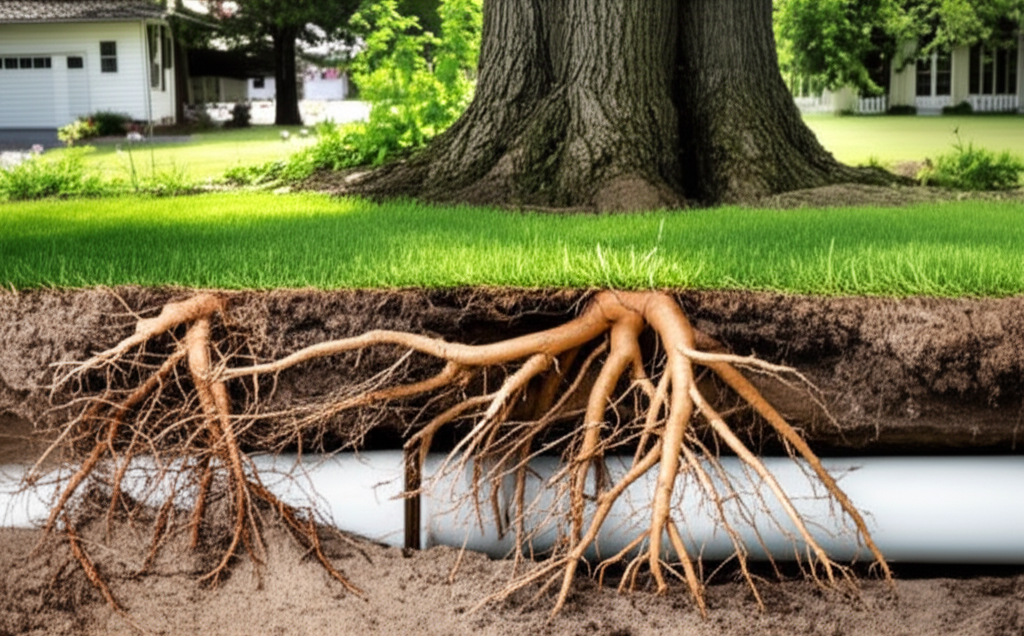
Tree roots are one of the most common and destructive threats to septic systems. Roots naturally seek out moisture and nutrients, and your septic system provides both in abundance. Even small cracks or joints in pipes and tanks create entry points that roots exploit, eventually causing blockages, structural damage, and system failure.
The warm, nutrient-rich environment inside septic pipes and tanks is irresistible to nearby tree roots. Once a root finds its way inside, it can grow rapidly, expanding to fill pipes and creating dense root masses that trap waste and cause backups. Understanding this threat is essential for every septic system owner.
Signs of Root Intrusion
Watch for these indicators that roots may be affecting your septic system:
- Slow drains throughout the house: Unlike a single clogged drain, root problems often affect multiple drains simultaneously
- Gurgling sounds in pipes: Roots partially blocking pipes cause air pockets that create gurgling noises
- Frequent backups: Recurring sewage backups despite regular pumping may indicate root blockage
- Sinkholes or wet spots: Roots cracking pipes can cause soil erosion and water surfacing
- Lush vegetation patches: Unusually green or fast-growing areas may indicate leaking pipes fertilizing the soil
- Sewage odors: Cracked pipes or tanks allow gases to escape to the surface
If you notice these signs, contact a septic professional immediately. Find qualified technicians in Georgia or Tennessee who can diagnose root intrusion problems.
How Roots Enter Your System
Roots can infiltrate your septic system through several entry points:
Pipe joints: Older clay and concrete pipe joints are especially vulnerable. Even modern PVC pipes can develop gaps at connections that roots exploit.
Tank cracks: Concrete septic tanks develop hairline cracks over time. Roots can enter through these cracks and grow inside the tank, damaging baffles and reducing capacity.
Distribution box connections: The distribution box (D-box) that splits flow to drain field lines has multiple connections where roots can enter.
Drain field pipes: Perforated drain field pipes are designed to release water into the soil, but these perforations also allow roots to enter.
Root Removal Methods
Several methods are available for removing roots from septic systems:
Mechanical Root Cutting ($200-$600)
A rooter machine or mechanical auger is inserted into pipes to cut through root masses. This provides immediate relief but doesn't prevent regrowth. Roots typically return within 1-2 years if the source trees remain.
Pros: Fast, effective, relatively affordable
Cons: Temporary solution, can damage older pipes, doesn't address the cause
Hydro Jetting ($350-$800)
High-pressure water jets blast roots out of pipes and clean pipe walls. This method is more thorough than mechanical cutting and can clear roots from longer pipe runs.
Pros: Very thorough cleaning, less likely to damage pipes than mechanical cutting
Cons: More expensive, requires professional equipment, may not work on severe blockages
Chemical Root Treatment ($50-$300)
Copper sulfate or foaming root killers can be flushed into the system to kill roots inside pipes. These chemicals kill roots on contact without harming the tree itself (usually).
Pros: Easy to apply, affordable, can be used preventively
Cons: Takes time to work, may harm beneficial bacteria in the tank, some products are restricted in certain states, environmental concerns
Camera Inspection ($200-$500)
Before choosing a removal method, a camera inspection reveals the extent of root intrusion and helps identify the best approach. The camera can pinpoint exactly where roots are entering and how severe the damage is.
Pipe Repair and Replacement
If roots have caused significant pipe damage, repair or replacement may be necessary:
- Spot repair: Replacing a damaged section of pipe costs $500-$2,000 depending on depth and location
- Full pipe replacement: Replacing the main line from house to tank runs $2,000-$5,000
- Trenchless pipe lining: A resin-coated liner is inserted into existing pipes, creating a seamless interior that resists root intrusion ($3,000-$7,000)
Trenchless repair is increasingly popular because it doesn't require excavating your yard. Find septic repair specialists who offer trenchless options in your area.
Trees to Avoid Near Septic Systems
Some trees are notorious for aggressive root systems that seek out septic components:
High risk (keep 50+ feet away):
- Willow trees (extremely aggressive water-seeking roots)
- Silver maple
- Poplar and aspen
- American elm
- Birch trees
Moderate risk (keep 30+ feet away):
- Oak trees
- Ash trees
- Sweetgum
- Black walnut
Lower risk (still maintain 20+ feet):
- Most fruit trees
- Dogwood
- Japanese maple
- Most ornamental trees
Safe Landscaping Near Septic Systems
You can still have an attractive landscape around your septic system with smart choices:
Safe plants for over drain fields:
- Shallow-rooted grasses (the best option)
- Wildflowers and ground covers
- Small perennial flowers
- Ornamental grasses
Plants to avoid over drain fields:
- Any trees or large shrubs
- Vegetable gardens (health concerns)
- Deep-rooted perennials
- Plants requiring heavy watering
Prevention Strategies
Preventing root intrusion is far cheaper than dealing with damage:
- 1. Know your system's location: Map your septic tank, pipes, and drain field precisely
- 2. Plant wisely: Choose appropriate species and maintain safe distances
- 3. Install root barriers: Physical barriers ($500-$1,500) can redirect roots away from pipes
- 4. Use root-resistant pipes: When replacing pipes, choose PVC with sealed joints
- 5. Regular inspections: Annual camera inspections catch root intrusion early
- 6. Preventive chemical treatment: Annual copper sulfate treatment can discourage root growth
Browse local septic professionals in Ohio or Indiana for root intrusion assessment and prevention services. Early detection and proper landscaping save thousands in repair costs over the life of your system.
---
Find a Septic Professional Near You
Looking for a trusted septic service provider? Browse our directory of 1111 companies across 80 cities, with real customer reviews and pricing data. Use our Cost Calculator to see average prices in your area.