Why Does My Yard Smell Like Sewage? Septic Solutions
Why Your Yard Smells Like Sewage
Stepping outside and being hit with a sewage smell is alarming and unpleasant. If you have a septic system, that odor is almost certainly related to your wastewater treatment system. The good news is that most causes of septic odors are identifiable and fixable. Let's explore the common reasons and solutions.
Common Causes of Septic Odors in Your Yard
Full Septic Tank
When your septic tank is overdue for pumping, solids and scum build up, reducing the tank's capacity to properly treat wastewater. This can cause untreated sewage to push into the drain field prematurely, creating strong odors at the surface. If you haven't had your tank pumped in the last 3-5 years, this is likely the culprit.
Drain Field Problems
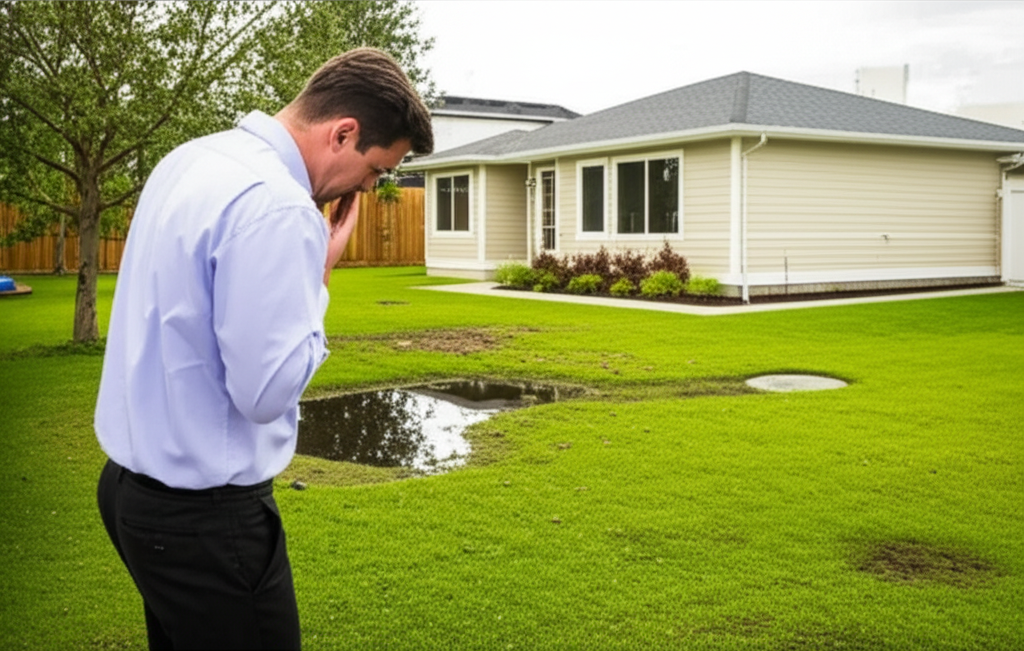
A failing drain field is one of the most common sources of yard odors. When the drain field becomes clogged or saturated, effluent can rise to the surface, bringing sewage smells with it. Signs of drain field failure include:
- Soggy or spongy ground over the drain field
- Unusually green or lush grass in one area
- Standing water or gray water surfacing
- Persistent sewage odor even after pumping
Damaged or Missing Septic Tank Lid
A cracked or improperly sealed tank lid can allow gases to escape directly into the air. This is an easy fix but often overlooked. Check your tank's access lids and risers for proper sealing.
Broken or Clogged Vent Pipe
Your plumbing system includes vent pipes that allow sewer gases to escape above your roofline. If these vents become clogged with debris, ice, or animal nests, gases can be forced back down and escape through the septic system into your yard.
High Water Table
During periods of heavy rain or seasonal water table changes, groundwater can rise and interfere with your drain field's ability to absorb effluent. This can cause sewage odors that come and go with weather conditions. Find septic services in Florida where high water tables are common.
Improper System Design
In some cases, the septic system wasn't properly designed for the property or household size. An undersized tank or inadequately designed drain field will struggle to handle the wastewater load, leading to odors and other problems.
How to Identify the Source
Check the Tank Area First
Walk around your septic tank location and note if the smell is strongest there. If so, the issue may be a full tank, damaged lid, or failing baffle.
Inspect the Drain Field
Walk the drain field area carefully. Look for wet spots, standing water, or unusually healthy vegetation. These are signs that effluent is reaching the surface.
Check Your Roof Vents
Look at your plumbing vent pipes on the roof. Ensure they're not blocked. If you notice the smell is worse on calm days or when the wind blows a certain direction, the roof vent may be working but dispersing odors downward.
Note the Timing
Does the smell occur only after heavy water use? Only after rain? Only in certain weather conditions? This timing can help a professional diagnose the problem. Browse Ohio septic companies or find septic services in Texas for a professional assessment.
Solutions for Septic Odors
Pump Your Tank
If your tank is full, scheduling a pumping is the first and most obvious step. This alone often resolves odor problems. Find septic services in Georgia to schedule a pumping.
Repair or Replace the Tank Lid
If the lid is cracked or the seal has deteriorated, replacing it is straightforward and inexpensive — usually $100 to $300 for parts and labor.
Clear Vent Pipes
Have a plumber check and clear your roof vent pipes. This is a relatively simple fix that can resolve both yard odors and indoor plumbing issues like gurgling drains.
Address Drain Field Issues
If the drain field is the problem, solutions range from simple to complex:
- Resting the field: Reduce water usage to let the field dry out
- Aerating the soil: Professional aeration can restore drainage
- Adding bacteria treatments: Some products help restore biological activity
- Replacing the drain field: In severe cases, a new drain field may be necessary
Install a Septic Vent Filter
Carbon-based vent filters can be installed on your septic vent pipe to neutralize odors. These are inexpensive ($30 to $100) and easy to maintain.
Improve Drainage Around the System
Ensure surface water drains away from your septic system. Regrading the area or installing curtain drains can prevent water from saturating the drain field.
When to Call a Professional
While some odor issues have simple fixes, you should call a professional if:
- The smell persists after pumping the tank
- You see standing water or sewage on the surface
- Multiple drains in your home are slow
- You've tried basic fixes without improvement
Browse Dallas septic companies or find septic services in Pennsylvania for expert diagnosis and repair.
Prevention Tips
- 1. Pump your tank on schedule — every 3-5 years for most households
- 2. Conserve water to reduce the load on your drain field
- 3. Avoid driving or parking over the drain field, which compacts soil
- 4. Direct rainwater away from the drain field area
- 5. Don't plant trees near the septic system — roots cause damage
- 6. Use septic-safe products for cleaning and laundry
The Bottom Line
A sewage smell in your yard is your septic system telling you something is wrong. Don't ignore it — the problem will only get worse and more expensive to fix. Identify the source, take immediate steps, and call a professional if needed. With proper maintenance, your septic system should operate odor-free for decades.
---
Find a Septic Professional Near You
Looking for a trusted septic service provider? Browse our directory of 1111 companies across 80 cities, with real customer reviews and pricing data. Use our Cost Calculator to see average prices in your area.